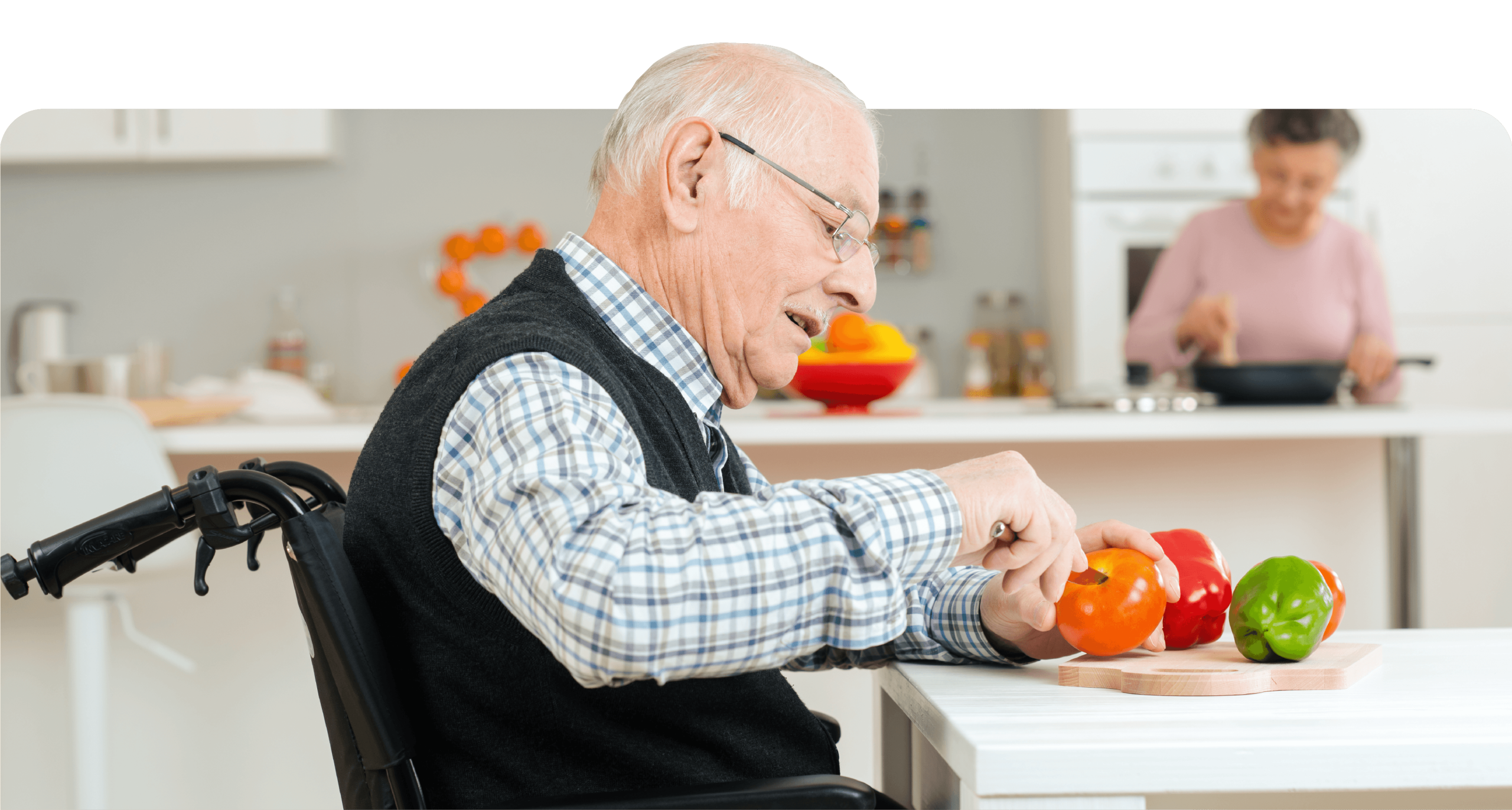

The transition home
The journey of recovery and healing doesn’t end when you leave the hospital. For many senior patients and their families, the transition home after a hospital visit can be challenging, confusing, and even worrisome. The good news is that with a clear, actionable plan, along with a strong support system, you can significantly reduce stress and pave the way for a smooth, full recovery.
What is an acute illness?
An acute illness is characterized by its rapid onset. In medicine, the word acute means “sudden and severe onset”, requiring immediate attention. While it can be severe, it is often treatable within a relatively short period, frequently involving a course of antibiotics, other prescription medication, or a medical intervention. This is in contrast to chronic conditions, which are characterized by developing gradually over a length of time.
Common examples of acute illnesses are:
- Viruses like influenza or COVID-19
- Infections such as a UTI or pneumonia
- Critical medical events like a heart attack or stroke
What are the risks I should be aware of following hospital admission?
The first 30 days after leaving the hospital are commonly referred to as the ‘post-discharge period’ and is a vulnerable time.
Being prepared means understanding the most common risks, which include:
Removal from daily routine: A hospital stay, even a short one, dramatically alters your routine. This sudden change can disrupt sleep, appetite, and emotional well-being. This can slow down your recovery as a result.
Decreased mobility: Hospitalization often involves significant bed rest, leading to muscle loss, a reduction in strength, and balance decline. This directly increases the risk of falls.
Exacerbation loop: An acute illness can temporarily worsen or destabilize other pre-existing impairments or chronic conditions, creating a challenging “exacerbation loop.”
Nosocomial infections: These are infections acquired simply as a result of being in a healthcare environment. Be on alert for any new symptoms like fever, unexplained redness, or swelling once you’re home.
What can I do to help my transition home be as smooth as possible?
These actionable steps can help you take control of your recovery at home:
Review your care plan: Before leaving the hospital, sit down with a nurse or your doctor. Understand the answer to the following questions:
- What was the primary issue addressed?
- What medications have changed?
- What are the new requirements I need to follow at home?
Plan follow-up appointments: Don’t wait until you’re home to schedule necessary follow-ups with your primary care physician or specialists. Having these dates on the calendar ensures continuity of care.
Keep your goal in mind: Recovery can feel long, so anchor your efforts to a positive outcome. What are you looking forward to being able to do once you recover – whether it’s cooking your favorite meal, gardening, or spending time with loved ones.
Don’t hesitate to ask for help: Moving home is a big step, and you don’t have to do it alone. We recommend having a family member, friend, or neighbor check in each day to see how you’re feeling. Along with your personal support system, remember that your WellBe provider is here for you 24/7. Whether it’s a small question about your medicine or a new concern about your health, you can always call us first.
What can a caregiver/family member do to ease the recovery?
Caregivers play a vital role in bridging the gap between hospital and home. Their support is invaluable.
Caregiver checklist:
Become the care plan expert: Carefully review the discharge instructions. Knowing the details helps advocate for the patient.
Ensure involvement in decision-making: While caregivers may need to take the lead on tasks, ensure the patient remains an active participant in their recovery.
Be encouraging about progress: Recovery is often two steps forward, one step back. Celebrate small victories and offer consistent encouragement.
Help avoid excessive bed rest: While rest is essential, prolonged bed rest is detrimental to recovery. Encourage gentle, safe movement as instructed by the care team.
Prioritize safety and comfort: Adjust the home environment to prevent falls. Clear clutter, remove loose rugs, and ensure necessities are easily accessible.
WellBe is here for you
Our goal is to keep you healthy and comfortable in your own home. However, our care extends beyond the home. If you’re admitted to the hospital, your WellBe team remains your constant partner in health. We will visit you at your bedside, create a personalized plan for your return home, and continue with routine visits to make sure you’re supported and on track to heal.
To learn more about how we can help with your seamless transition home and ongoing recovery support, click the button below!